

Ontario Councillor Proposes $100,000 Initiative to Tackle Rising Food Insecurity in Peel Region
Food insecurity has become one of the most pressing social challenges in the Peel Region, affecting tens of thousands of households every year. With demand at food banks climbing and donations struggling to keep pace, local officials are exploring new ways to ensure residents have reliable access to nutritious, culturally appropriate food. In response to these growing concerns, a Mississauga city councillor is urging the region to invest in a comprehensive study that could reshape how food is distributed across the area.
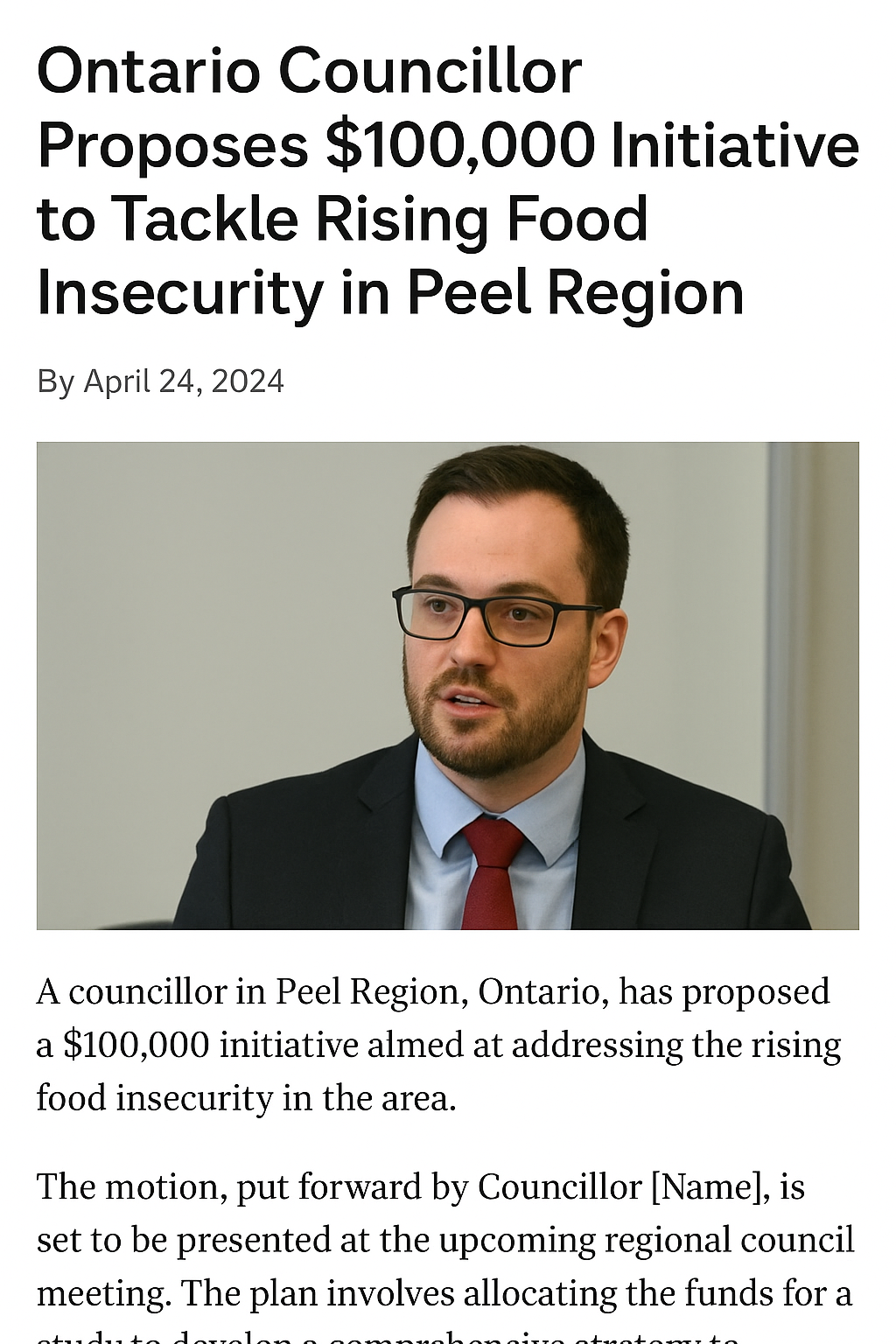
At an upcoming regional budget meeting, Councillor Martin Reid of Ward 9 plans to introduce a motion proposing a $100,000 allocation toward researching and developing a centralized food distribution model for Peel. The goal is to create a more coordinated system that not only meets urgent needs but also addresses the systemic barriers contributing to long-term food insecurity.
A Worsening Crisis Across Peel Communities
The statistics paint a concerning picture. In 2024, an estimated 28 per cent of households in Peel experienced some level of food insecurity, a notable increase from 22 per cent the previous year. This jump represents more than 126,000 households struggling to consistently access adequate food, highlighting a growing crisis that has touched families in Mississauga, Brampton and Caledon.
Peel officially declared food insecurity a crisis in 2023, acknowledging the severity of the issue and its impact on community health and well-being. Since then, organizations across the region have reported sharp increases in demand for their services, as rising living costs, housing pressures and economic uncertainty leave more residents vulnerable.
Food providers have been feeling the strain directly. Over the past year, many organizations have experienced a rise in demand ranging from 40 to 60 per cent. These numbers go beyond a simple increase in visitors—they represent families skipping meals, seniors choosing between groceries and medication, and working individuals who still cannot afford basic necessities.
Local Food Banks Under Growing Pressure
Food Banks Mississauga, one of the region’s primary support networks, reported serving approximately one in every 13 residents in the city. This staggering figure illustrates just how widespread the problem has become. Even more striking is the organization’s report of more than 503,000 visits to its network of over 60 programs in the last year, the highest number in its history.
Nearly 40 per cent of those who sought assistance for the first time were new to the system, while almost 30 per cent of visitors were employed. These figures challenge outdated assumptions that food insecurity affects only the unemployed; in reality, many individuals with jobs are still unable to keep up with the rising cost of living.
Brampton and Caledon have experienced similar pressure. Knights Table, which serves Brampton, reported assisting roughly one in 16 residents. In Caledon, The Exchange recorded a 43 per cent increase in users, with more than a quarter of clients accessing services for the first time. These trends show that food insecurity is not limited to one municipality but is a shared regional issue requiring a coordinated solution.
The Proposed Centralized Food Distribution Model
Councillor Reid’s motion is focused on funding a detailed study into a centralized food distribution model for Peel Region. The proposed $100,000 would come from the 2026 community investment budget and would support a comprehensive analysis of how a regional system could be designed and implemented.
The idea behind the model is to create a streamlined approach to food distribution that goes beyond the current network of individual food banks and charities operating largely independently. Instead, the system would work in a coordinated manner to reduce duplication of services, improve efficiency and ensure that nutritious, culturally appropriate food reaches those who need it most.
According to the motion, community investment staff would be tasked with leading the study and preparing a report with findings and recommendations by the fall of 2026. This report would outline practical steps for creating a more effective, long-term solution to hunger in the region.
Focus on Cultural Appropriateness and Nutrition
One of the key elements of the proposed study is a focus on culturally appropriate and nutritious food options. Peel is one of Canada’s most diverse regions, home to residents from a wide range of cultural and ethnic backgrounds. A centralized model would aim to reflect this diversity by ensuring that the food provided aligns with cultural preferences and dietary needs, rather than offering a one-size-fits-all approach.
This aspect is especially important in maintaining dignity and respect for individuals seeking help. Access to familiar foods not only meets nutritional requirements but also supports mental and emotional well-being, helping families maintain a sense of normalcy during difficult times.
Funding Challenges Facing Food Banks
Despite their best efforts, food banks across Peel are struggling to keep up with rising demand. While donations from the community remain essential, they are no longer increasing at the same pace as the need for assistance.
Food Banks Mississauga’s 2025 Thanksgiving Drive is a clear example. The campaign raised $848,513, surpassing its goal of $800,000. While this achievement reflects generous community support, the overall increase in donations was less than one per cent compared to the previous year. During the same period, food bank usage rose by 20 per cent—a stark imbalance that underscores the growing gap between resources and demand.
The motion also points out that Peel Region is currently the only level of government providing direct funding to local food banks. Even with this support, organizations still depend heavily on fundraising efforts, grants and public donations to operate their programs. As inflation and economic pressures limit people’s ability to give, these traditional funding sources become less reliable.
A Modest Investment in a Much Larger Problem
Peel’s proposed 2026 community investment operating budget stands at $19 million, up slightly from $18.8 million in 2025. This budget supports a range of initiatives designed to reduce poverty and strengthen communities, including funding for non-profit organizations, anti-human trafficking programs, affordable transit services and engagement initiatives aimed at improving quality of life.
Within the context of this larger budget, the proposed $100,000 study represents a relatively small but potentially high-impact investment. Supporters of the motion argue that understanding how to better coordinate food distribution could lead to more efficient use of resources and ultimately reduce long-term costs associated with poverty and food insecurity.
By identifying systemic issues and opportunities for collaboration, the study could lay the groundwork for a sustainable model that benefits thousands of residents for years to come.
A Step Toward Long-Term Solutions
While emergency food programs remain essential, many advocates stress that they are not a permanent solution. Food insecurity is closely tied to broader issues such as affordable housing, employment, access to education and rising living costs. A centralized distribution model alone will not eliminate hunger, but it could significantly improve how the region responds to immediate needs while longer-term policy changes are developed.
Councillor Reid’s proposal reflects a growing understanding that addressing food insecurity requires both short-term support and strategic planning. The study would help Peel better understand where gaps exist, how resources can be shared more effectively and what steps are needed to create a more resilient food system.
Looking Ahead
If approved by regional council, the $100,000 allocation would mark an important step in Peel’s ongoing efforts to confront food insecurity head-on. The findings, expected by fall 2026, could influence not only local policies but also serve as a model for other regions facing similar challenges.
As more families across Mississauga, Brampton and Caledon turn to food banks for help, the urgency for innovative, coordinated solutions continues to grow. This proposed study represents a move toward understanding the problem at its root and building a system capable of responding with compassion, efficiency and long-term impact.
Conclusion
The rise in food insecurity across Peel Region has reached a critical point, demanding immediate attention and careful planning. With nearly one in three households affected in 2024, the need for a more effective approach is undeniable. Councillor Martin Reid’s motion to fund a centralized food distribution study is a proactive response to a complex and growing problem.